
Five Famous Twist Endings (And Why They Work)
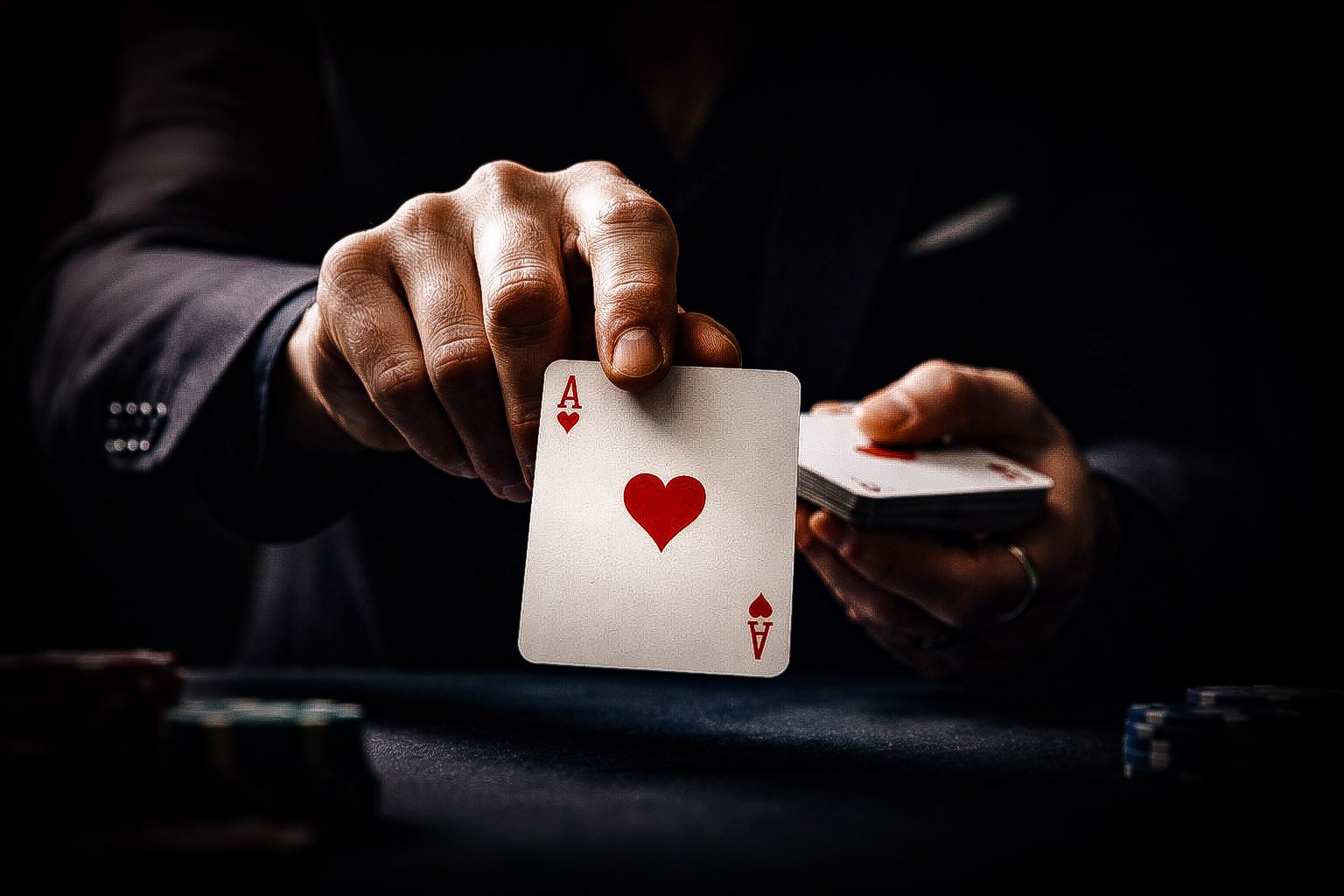
From O. Henry to Roald Dahl, some of the most memorable stories end with a twist that reframes everything before it. Here are five famous examples—and the craft lessons they reveal.
The twist ending has been delighting readers for well over a century. When done well, it doesn’t simply surprise — it reframes the entire story, casting earlier moments in a new and often deliciously ironic light.
Here are five celebrated twists from literature and film and what they can teach us about the craft of the unexpected.

1. The Gift of the Magi — O. Henry (1905)
Few twist endings are as beloved as O. Henry’s tale of a young couple, Jim and Della, struggling to afford Christmas gifts for one another.
Della sells her long hair to buy a chain for Jim’s watch. Jim sells his watch to buy combs for Della’s hair.
The gifts become useless, but the love behind them becomes priceless.
Why it works:
The twist is rooted entirely in character. The reader understands immediately that both sacrifices were acts of love, not foolishness. The revelation deepens the emotional truth rather than undermining it.
Craft lesson:
A twist can be tender rather than shocking.
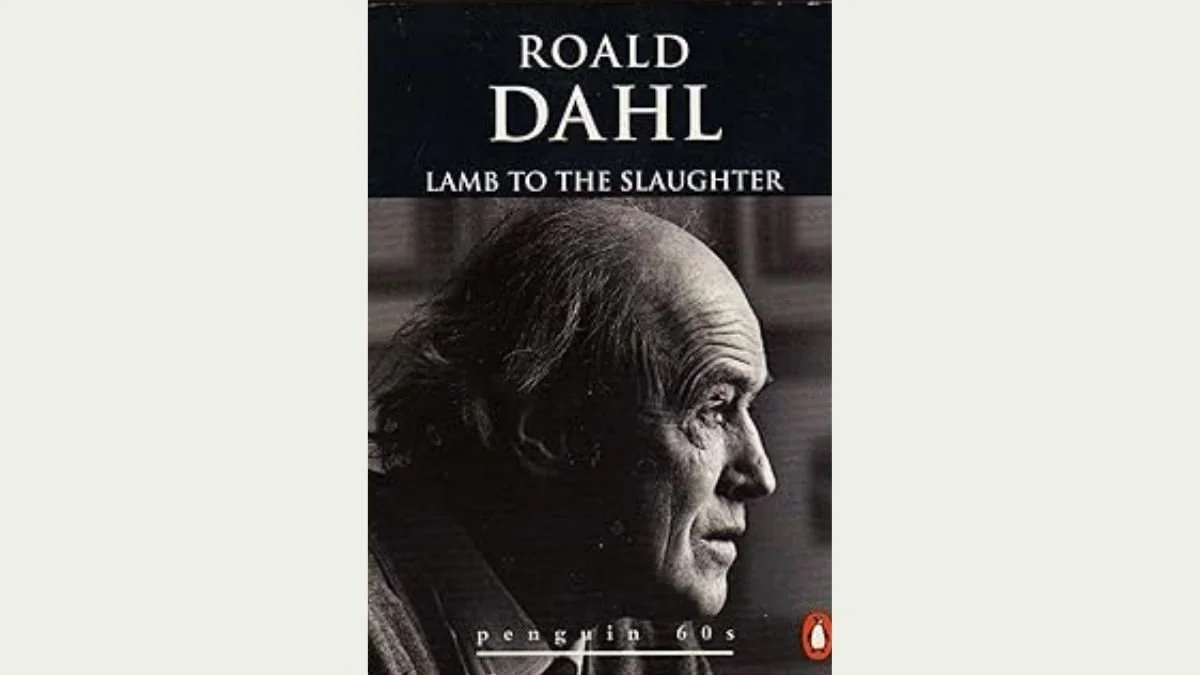
2. Lamb to the Slaughter — Roald Dahl (1953)
Mary Maloney, a devoted housewife, calmly prepares dinner when her husband suddenly announces he is leaving her.
In a moment of stunned fury, she kills him with a frozen leg of lamb—then cooks the weapon and serves it to the investigating police officers.
As they eat the evidence, one detective remarks that the murder weapon is probably “right under our noses.”
Why it works:
The reader becomes complicit in the dark joke. The twist isn’t just the crime — it’s the delicious irony of the investigators unknowingly destroying the evidence.
Craft lesson:
Twists thrive on irony and timing.
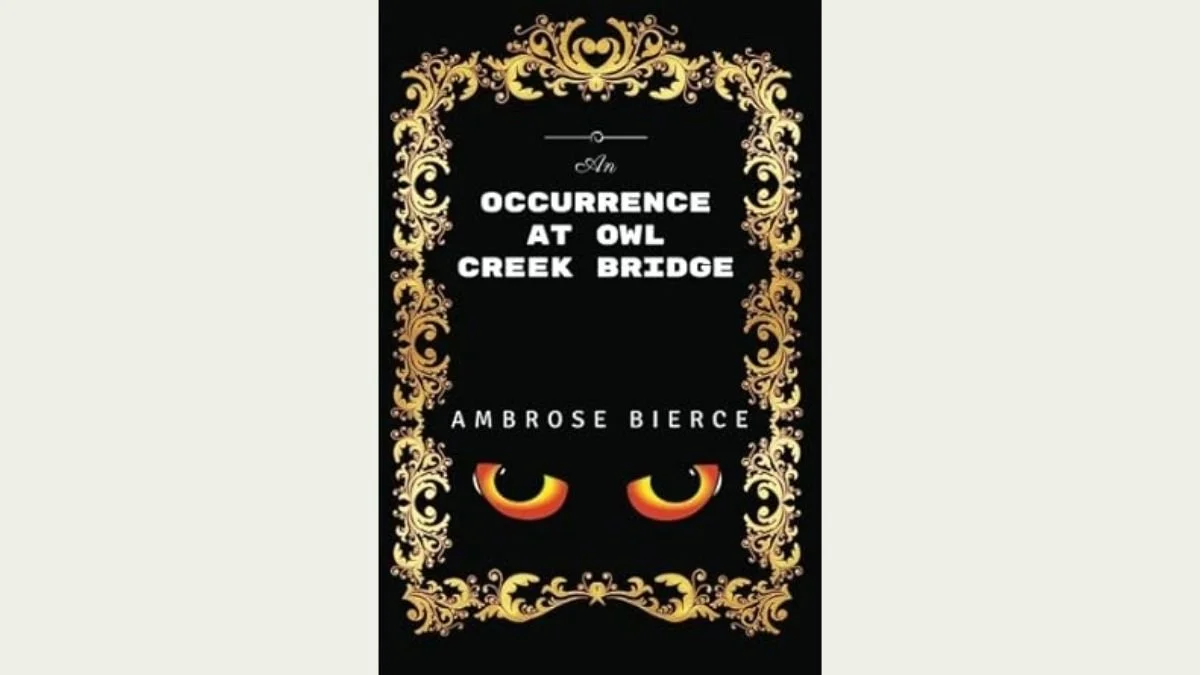
3. An Occurrence at Owl Creek Bridge — Ambrose Bierce (1890)
A condemned man, Peyton Farquhar, appears to escape execution when the rope around his neck breaks. He plunges into the river below and embarks on a desperate journey home.
He reaches his wife… and in that instant the illusion collapses.
The escape never happened. The entire sequence occurred in the final seconds before his death.
Why it works:
Bierce carefully seeds the story with subtle distortions—exaggerated sensations, strange perceptions—preparing the reader for the revelation.
Craft lesson:
A twist feels fair when the clues were there all along.
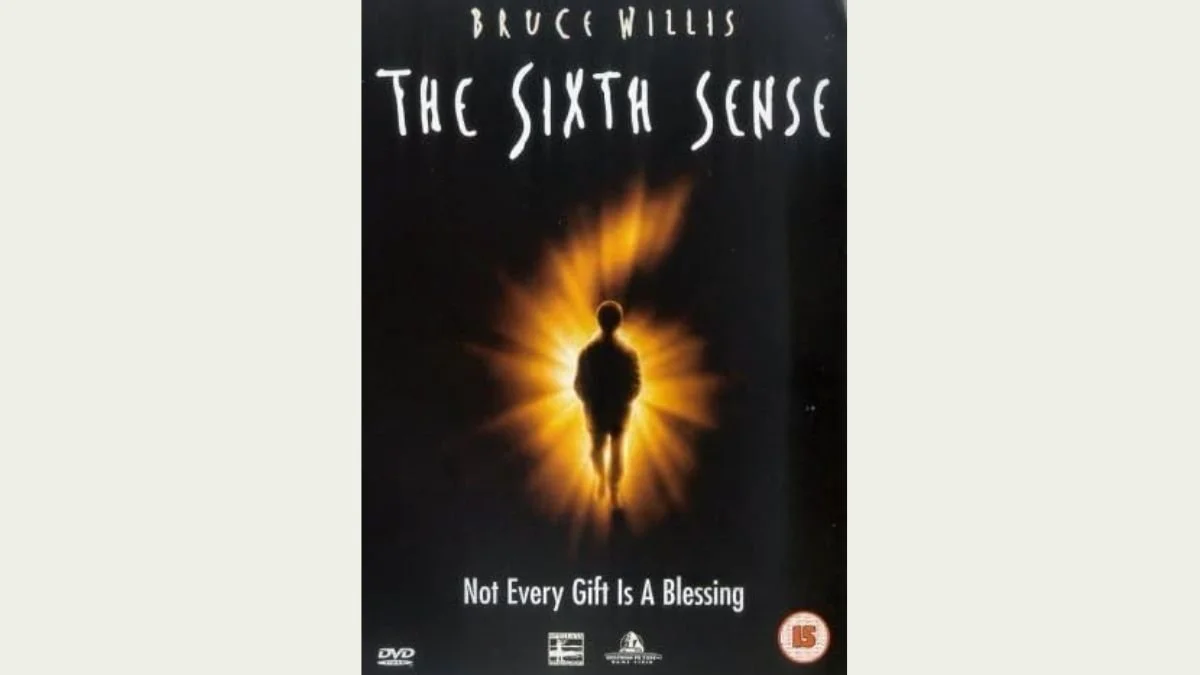
4. The Sixth Sense — M. Night Shyamalan (1999)
“I see dead people.”
Throughout the film, child psychologist Malcolm Crowe attempts to help a troubled boy who claims to see ghosts.
Only in the final moments do we realize the truth: Crowe himself has been dead the entire time.
Why it works:
The film never lies to the audience. Instead, it carefully frames scenes so that viewers interpret events incorrectly.
Craft lesson:
A great twist rearranges perception, not facts.
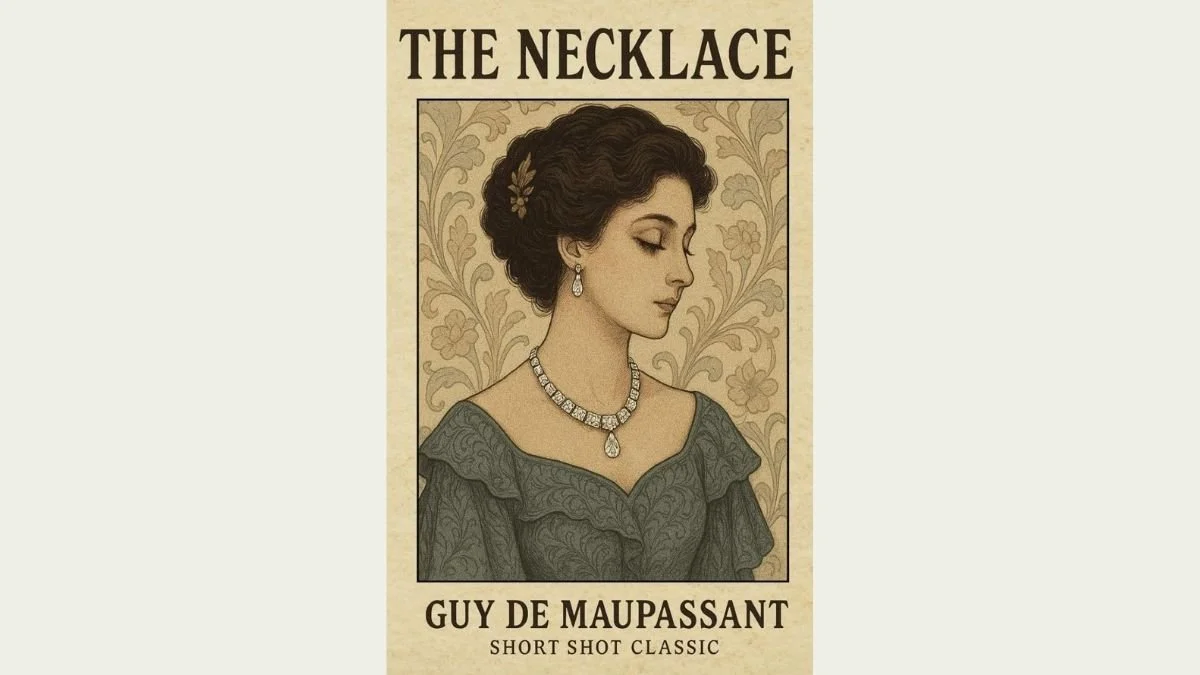
5. The Necklace — Guy de Maupassant (1884)
Mathilde Loisel borrows a diamond necklace to attend an elegant party. After losing it, she and her husband spend ten years in poverty to repay the debt for its replacement.
At the end of the story, she discovers the devastating truth:
The original necklace was fake.
Why it works:
The twist is perfectly aligned with the story’s theme—the destructive power of vanity and social ambition.
Craft lesson:
The best twists reinforce the story’s meaning.
What These Twists Have in Common
Despite their differences, these endings share a few essential qualities:
• The twist feels inevitable in hindsight
• The clues were present from the beginning
• The revelation deepens the story rather than invalidating it
A twist should never feel like a trick pulled from thin air. It should feel like the final piece of a puzzle quietly sliding into place.
Final Thought
A good twist surprises.
A great twist changes the way the reader sees everything that came before.
That is the real magic.