
The Quiet Twist
How to Master the Subtle Twist That Changes Everything

“The real voyage of discovery consists not in seeking new landscapes, but in having new eyes.”
Some stories end with a bang.
A secret revealed. A villain unmasked. A final line that sends the reader reeling back through the pages in astonishment.
But the most powerful endings are not always the loudest.
Anton Chekhov once wrote stories that seemed to drift gently along — a conversation, a walk, a moment of reflection. Then, almost imperceptibly, something shifted. Nothing dramatic had happened, yet the reader suddenly understood the characters differently.
The story hadn’t changed.
But its meaning had.
That is the quiet twist—the kind that doesn’t arrive like a thunderclap but like a change in the light. One moment the story appears to be about one thing, and the next it reveals something deeper hiding in plain sight.
What Makes a Twist “Quiet”?
A classic twist changes what happened.
A quiet twist changes what it meant.
The events remain the same.
But the emotional truth of the story shifts.
The reader doesn’t think:
“I didn’t see that coming!”
They think:
“Oh… I see now.”
And often they turn back to the beginning to read it again.
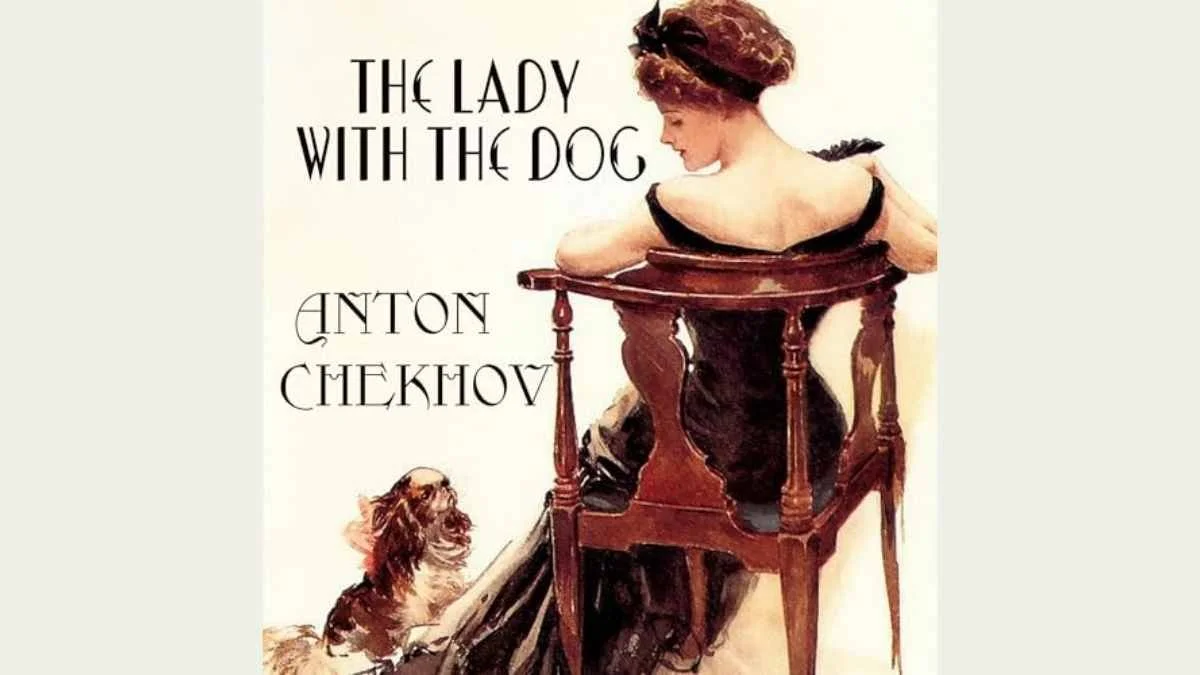
Example: Chekhov’s Gentle Turn
Anton Chekhov rarely relied on dramatic revelations or clever tricks of plot. Instead, his endings often arrive as moments of quiet emotional clarity.
In his famous story The Lady with the Dog, Dmitri Gurov—a bored Moscow banker, married and quietly cynical about love—begins a casual seaside affair with Anna Sergeyevna, a young woman equally trapped in an unhappy marriage.
At first the relationship feels fleeting, almost trivial—just another holiday romance destined to dissolve when summer ends. Yet as the story unfolds, something unexpected happens. The two part ways, return to their separate lives, and discover that the affair refuses to fade.
What seemed temporary begins to grow into something deeper and far more complicated.
The twist is not the existence of the affair—we knew that already.
The twist is the dawning realization that their lives have quietly changed forever.
Chekhov’s ending does not explode with revelation. Instead, it opens a door onto a future neither character knows how to navigate—leaving the reader with the quiet understanding that the real story has only just begun.
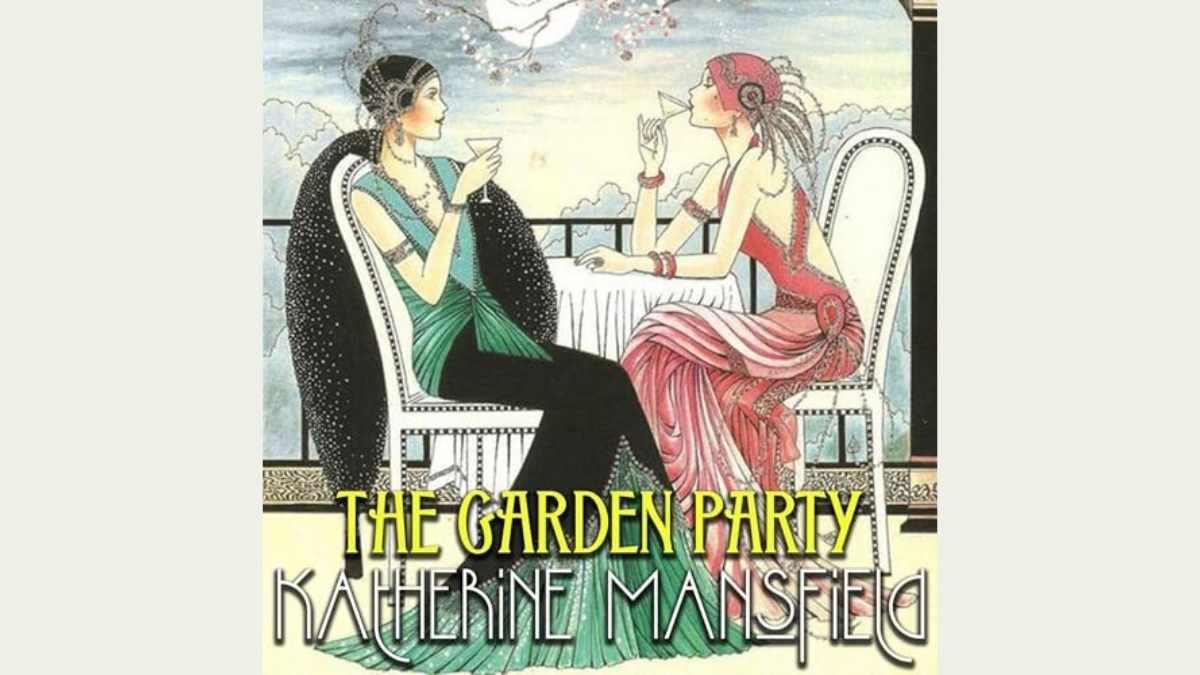
Example: Katherine Mansfield
Katherine Mansfield was a master of the subtle shift.
A story may appear to be about:
• social embarrassment
• a minor disagreement
• a trivial observation
Then the final moment reveals something much larger—loneliness, loss, or sudden self-awareness.
Nothing dramatic has happened.
But everything now feels different.
At first glance, The Garden Party appears to be a gentle story about a wealthy family preparing for an afternoon gathering. The young protagonist, Laura, is caught up in the excitement of tents, sandwiches, and the mild chaos of social arrangements.
Then news arrives that a working-class neighbor has been killed in an accident.
Laura is troubled. Should the party still go on?
The celebration continues anyway, and later Laura visits the grieving household. Standing beside the dead man, something shifts quietly inside her—a sudden awareness of life’s strange mixture of beauty, privilege, and mortality.
Nothing dramatic has happened.
But the story’s meaning has deepened.
Why it’s a quiet twist:
The ending doesn’t reveal new facts. Instead, it reveals a new emotional understanding, both for Laura and for the reader.
How Writers Create the Quiet Twist
The quiet twist depends on emotional misdirection rather than plot trickery.
Three techniques often appear:
1. The Misread Emotion
Let readers assume a character feels one thing.
The final moment reveals they felt something else all along.
2. The Reframed Relationship
Two characters appear to have one type of relationship.
The ending reveals another.
Friendship becomes rivalry.
Pity becomes love.
Anger becomes grief.
3. The Realisation
The most powerful, quiet twists occur when a character suddenly understands something about themselves.
The reader arrives at the realization at the same moment.
A Tiny Writing Exercise
Try writing a short scene where a character spends the story complaining about someone.
In the final line, reveal that the person they’re describing is someone they love deeply.
Nothing in the story changes.
But the reader sees every earlier line differently.
That’s the quiet twist.

Final Thoughts
Why the Quiet Twist Lingers
Loud twists shock the mind.
Quiet twists reach somewhere deeper.
Because they reveal something true.
They remind us that the most meaningful turns in life rarely arrive with fanfare. They arrive quietly—in a sentence, a look, or a sudden understanding that changes how everything before it is seen.
A loud twist surprises the reader.
A quiet twist invites them to see the story again.
And sometimes, that second look is where the real story truly begins.
The quiet twist doesn’t end the story—it lets us see it clearly for the first time.
Continue the Twist Series:

How to surprise your reader without tying yourself in knots.

Five classic reversals—and the craft lessons hidden inside them.