The Third Ortolan
On indulgence, ritual, and the small bird we should have left to sing
Every civilisation has its forbidden fruit.
Sometimes it is not a fruit at all.
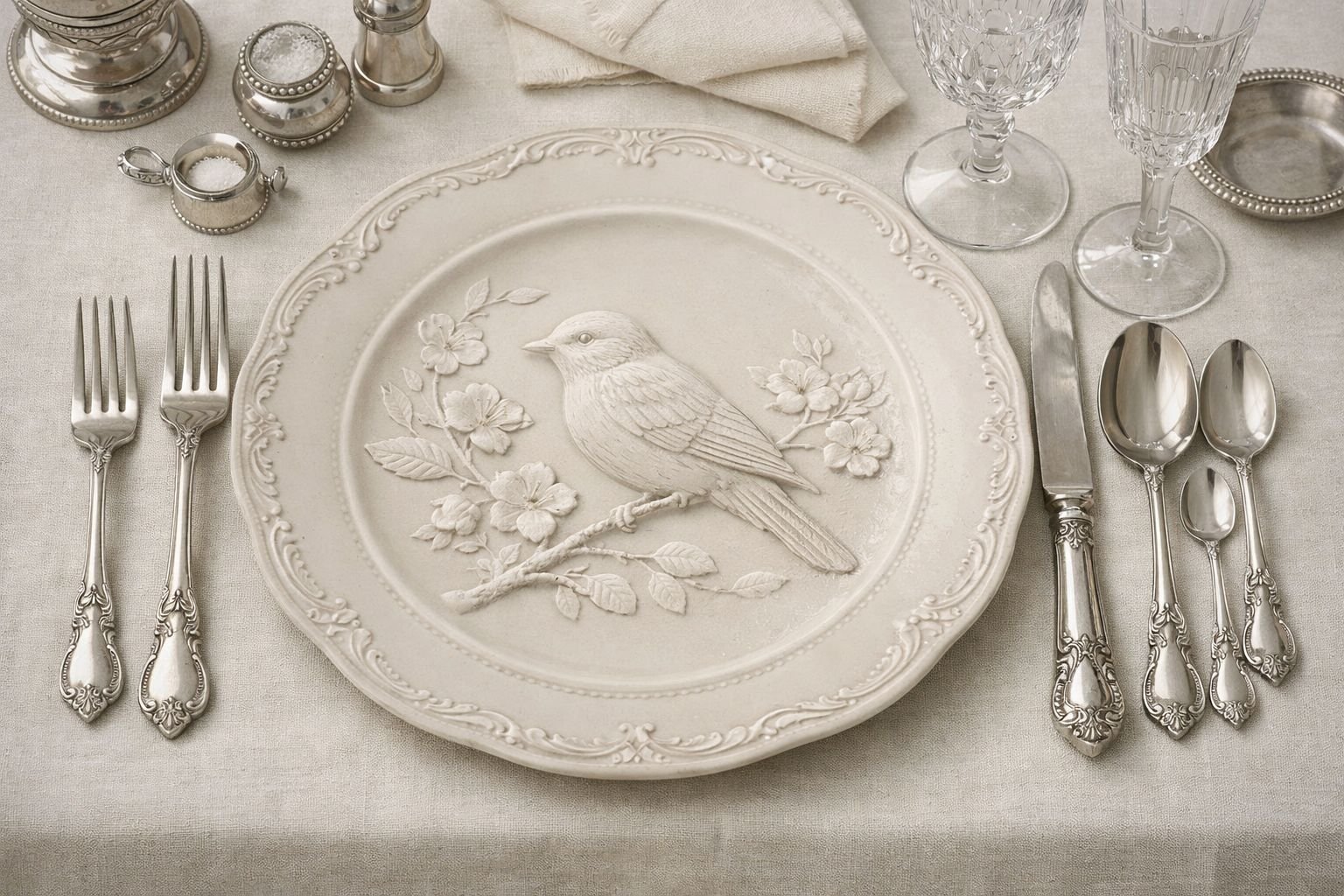
Sometimes it is a tiny songbird, no larger than a thumb, served beneath a linen napkin while the diner quietly disappears from the rest of the room.
The first time I encountered the ritual wasn't in an old French cookbook or a forgotten memoir of haute cuisine. It was in an episode of Billions, where wealth has long since moved beyond the pursuit of comfort and into something altogether more elusive: the pursuit of the exceptional.
The table is beautifully set. The lighting is subdued. Conversation pauses as a chef steps forward carrying a dish that is introduced with almost religious reverence.
"Ortolan."
He does not simply serve it.
He presents it.
The guests listen.
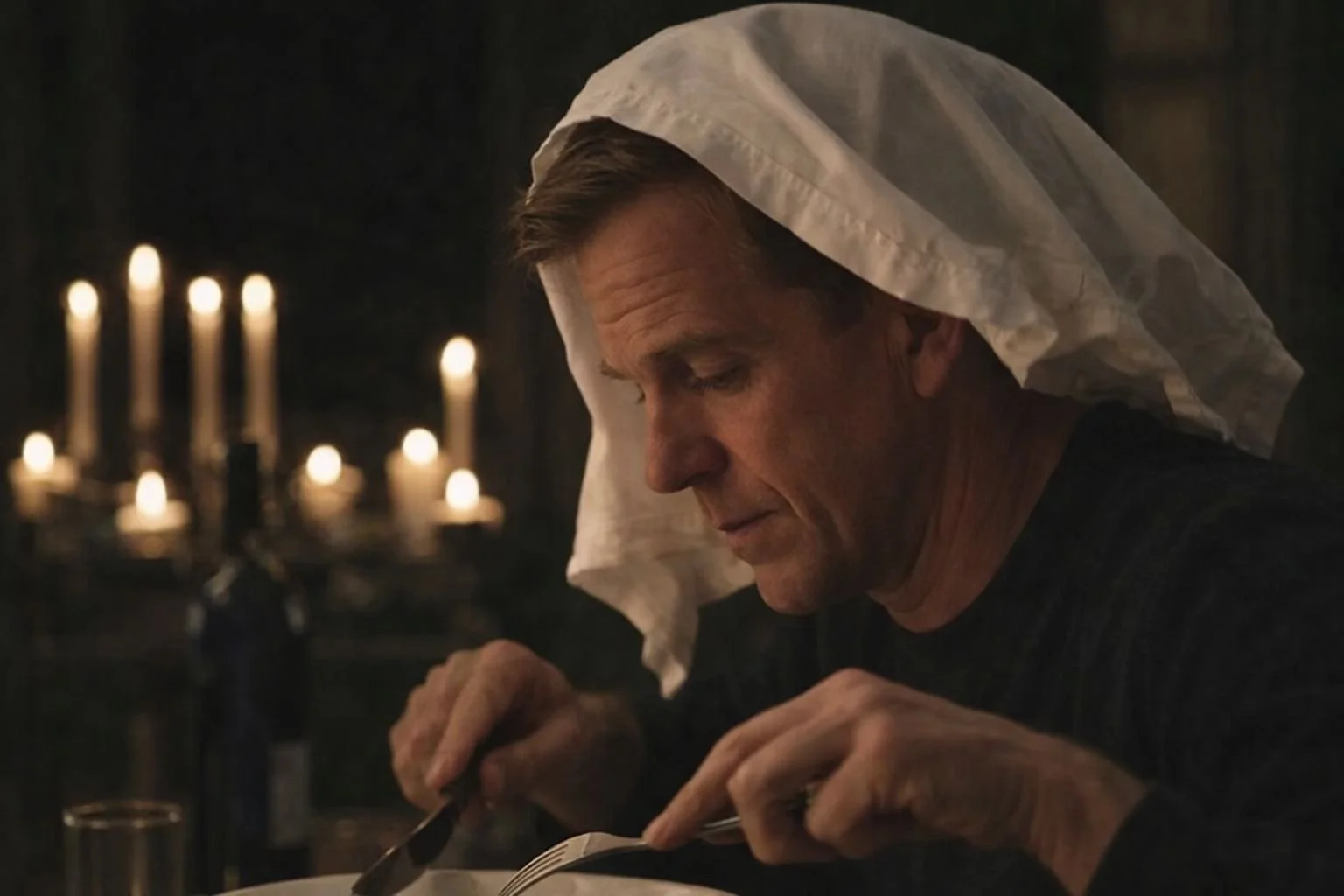
A linen napkin is draped over each diner's head.
The ceremony begins.
"One is bliss," the chef remarks with a smile.
"Two is gluttony."
A brief silence follows.
Then Bobby Axelrod—"Axe"—leans forward.
"How about three?"
It is a wonderfully revealing moment.
Not because of the bird.
Because of the question.
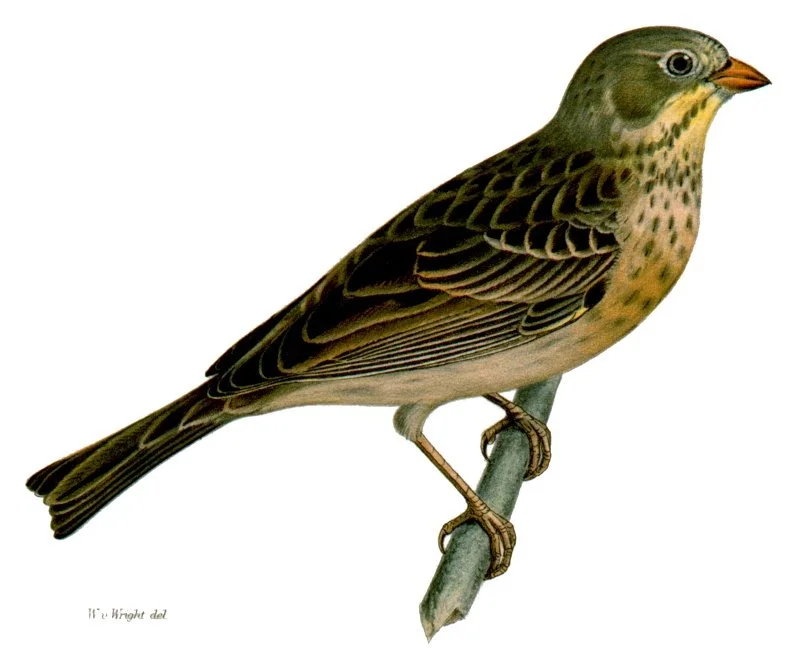
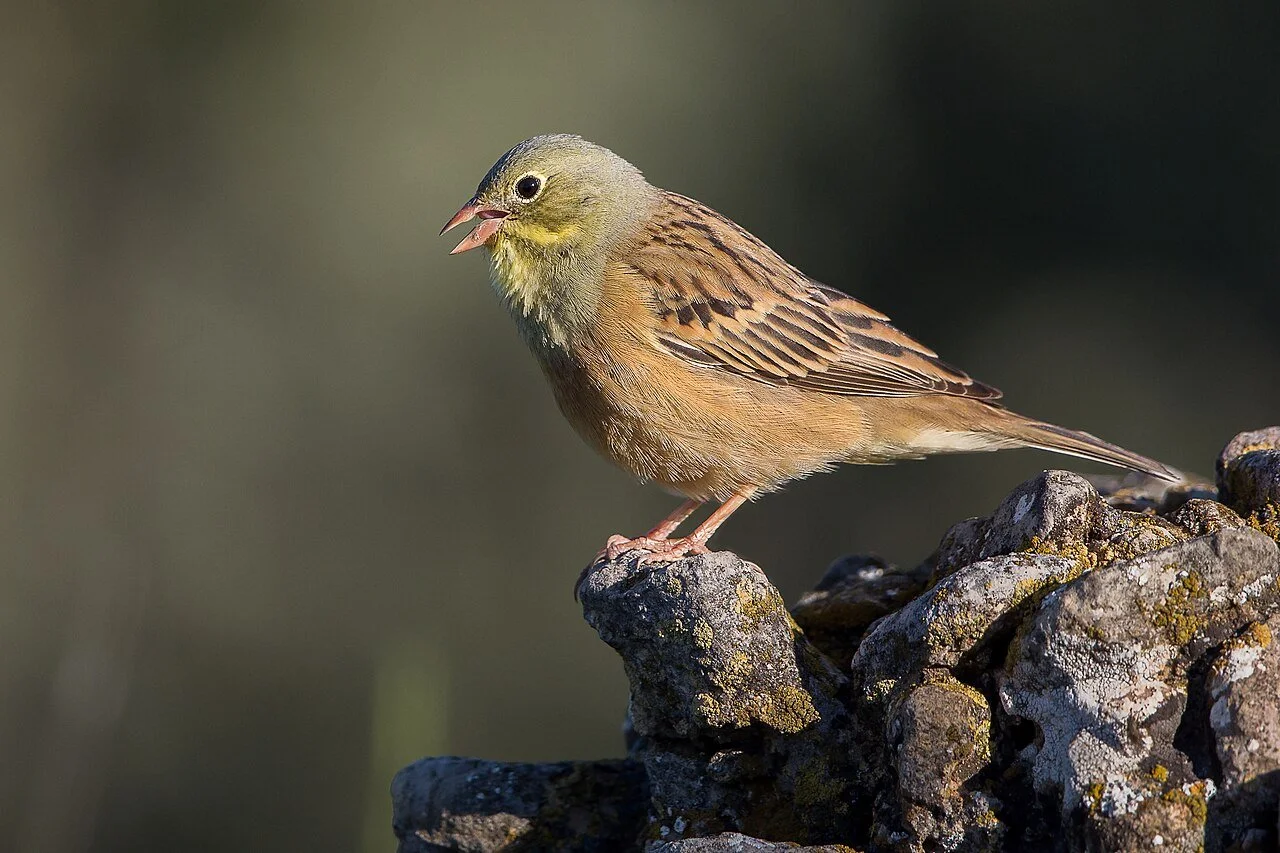
Ortolan Bunting (Emberiza hortulana)
A small migratory songbird of Europe and western Asia, weighing around 20 grams.
Now protected, it is known for its quiet, evening song.
To understand the fascination with the ortolan is to understand that this was never simply about food.
The tiny bird became something else entirely once it entered the peculiar orbit of human appetite. Captured alive in delicate traps, it was kept in darkness, where instinct took over. Believing winter was approaching, it fed relentlessly, storing fat for a journey it would never make.
When the time arrived, it was drowned in Armagnac.
Plucked. Roasted. Served whole.
No carving. No ceremony of shared portions.
One bird. One diner.
The napkin remained over the head.
Some claimed it trapped the aroma, enclosing the diner within a private cathedral of flavour. Others believed it concealed the act itself—from fellow guests, from polite society, perhaps even from God.
Whether either explanation was true hardly mattered.
The ritual had become part of the meal.
For centuries the ortolan travelled an unlikely path—from hedgerows and migration routes to the tables of kings, presidents and celebrated chefs. Somewhere along that journey it ceased to be supper and became a symbol.
Not of nourishment.
But of privilege.
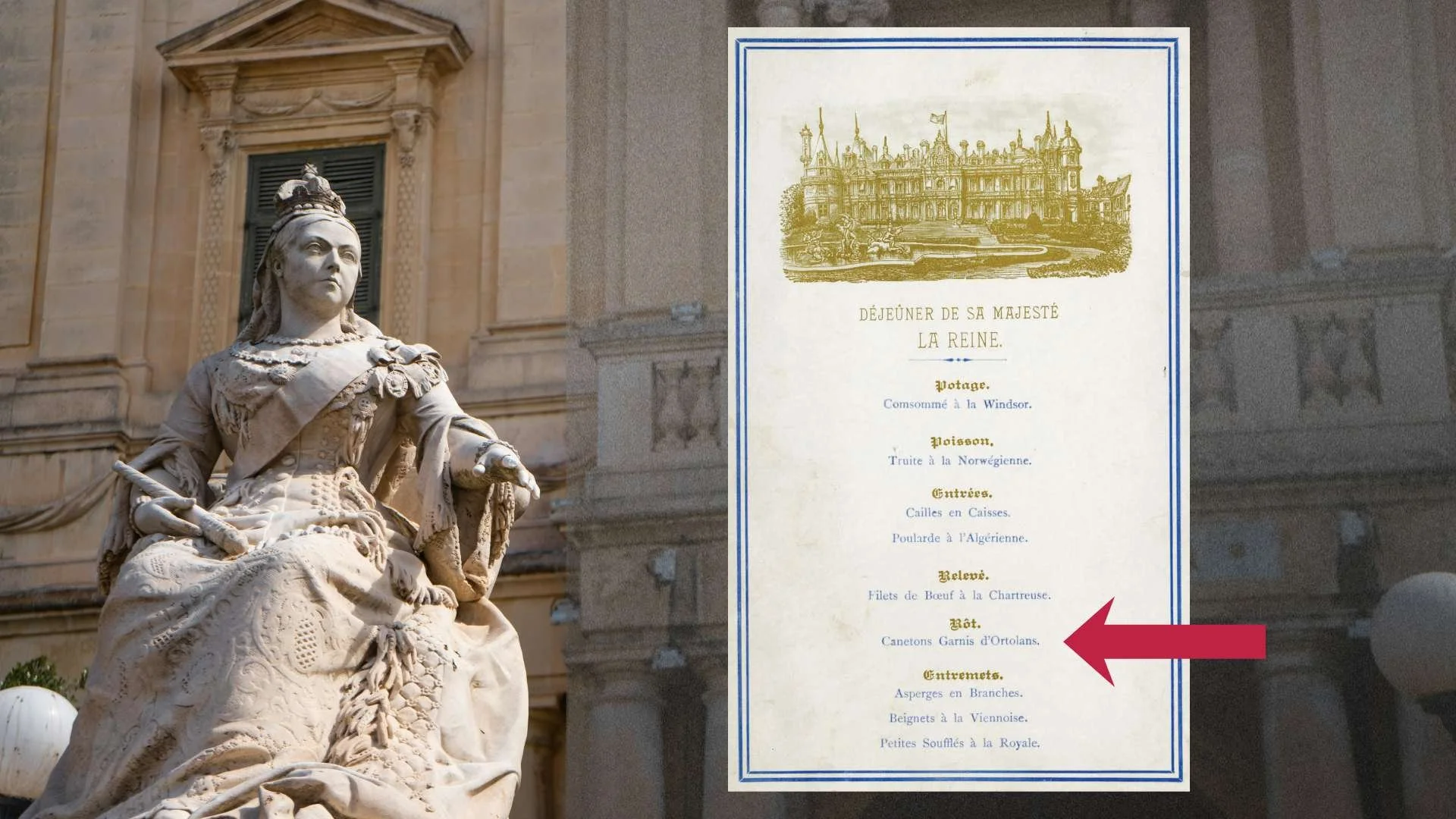
The lunch menu from Queen Victoria’s visit to Waddesdon in 1890. Photograph: Waddesdon Image Library
To eat an ortolan was to participate in something few others ever would. It was whispered about, anticipated, remembered. The rarity became inseparable from the experience itself.
Watching the scene in Billions, I found myself wondering whether anyone at that table was really thinking about flavour anymore.
Once something becomes sufficiently rare, do we crave the taste...
...or simply the privilege of saying we tasted it?
Perhaps that has always been the true delicacy.
Not the bird.
The exclusivity.
And that is where the story quietly changes.
Because while the ritual was becoming legend, the bird itself was quietly disappearing.
Beyond the silver platters and linen napkins, ortolans were still doing what they had always done—lifting from hedgerows at dusk, crossing continents on ancient migratory routes, filling fields with birdsong.
Only now there were fewer of them.
Decade by decade, their numbers declined. Protected by law yet pursued by tradition, they became increasingly scarce. What had once been a celebrated dish gradually slipped into the shadows, surviving only through whispered recommendations, discreet dinners and an illicit market willing to pay extraordinary prices for a forbidden experience.
The ortolan became illegal.
But not forgotten.
And perhaps that is the uncomfortable truth the little bird leaves behind.

Carl Bloch’s In a Roman Osteria
Scarcity has a curious effect on us.
When everything is available, rarity becomes irresistible. What is forbidden acquires an allure entirely out of proportion to its practical worth. The object itself almost ceases to matter.
What matters is crossing the line.
Owning what others cannot.
Experiencing what others never will.
The ortolan simply happens to be one of history's smallest examples of a much larger human story.
And so, the ortolan sits precisely where appetite and conscience fail to agree.
In a modern dining room—polished, precise, and meticulously curated—a chef may recount the history of the ortolan without ever needing to serve it.
A story in place of a course.
A gesture toward a past that is both fascinating and, perhaps, best left there.
The wealthy still gather. The tables are still set. The desire for experience—for something singular, unforgettable—remains as sharp as ever.
But the bird is absent.
And its absence speaks.
Most of us will never taste an ortolan.
We will not sit beneath a linen veil, nor weigh the fleeting ecstasy of flavour against the quiet cost of its making.
And perhaps that is not a deprivation, but a kind of grace.
For there are delicacies that reveal more about us than we might wish to know.
And others that ask, gently but firmly, to be left alone.
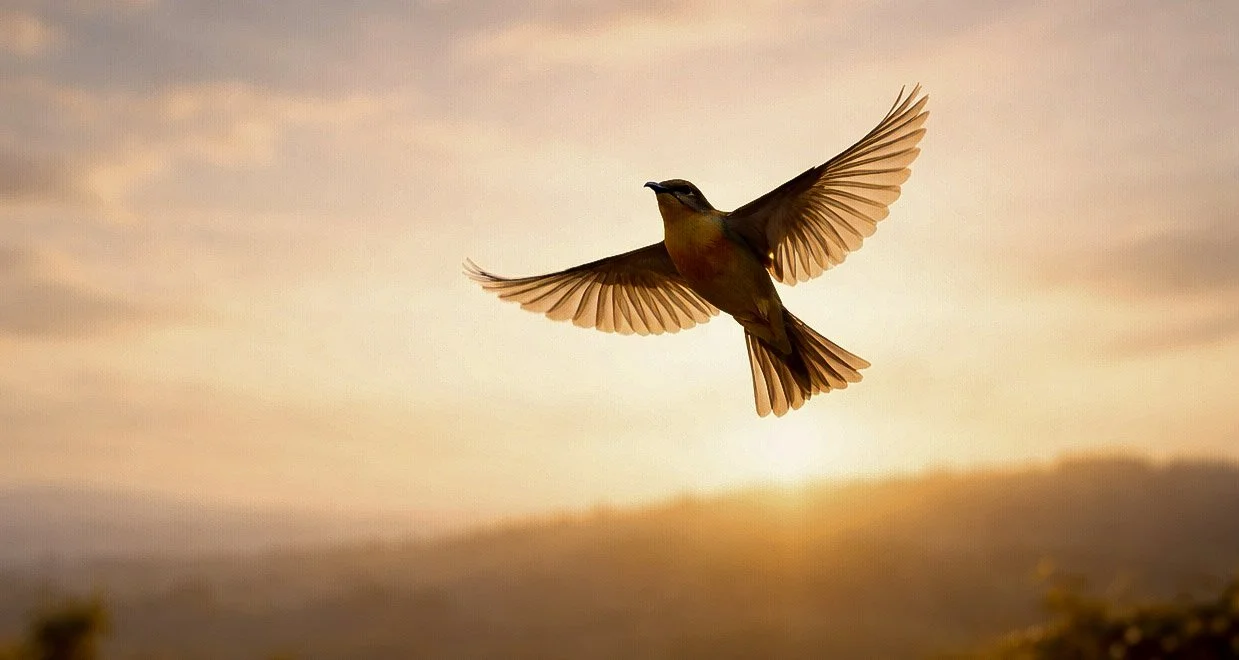
Somewhere, at dusk, a small bird lifts itself from a hedgerow and disappears into the open sky.
Unremarkable.
Unrecorded.
Unconsumed.
And, in that small, unbroken flight, the world asks nothing more of it.