
Capote, Palamós, and a Dish from the Sea
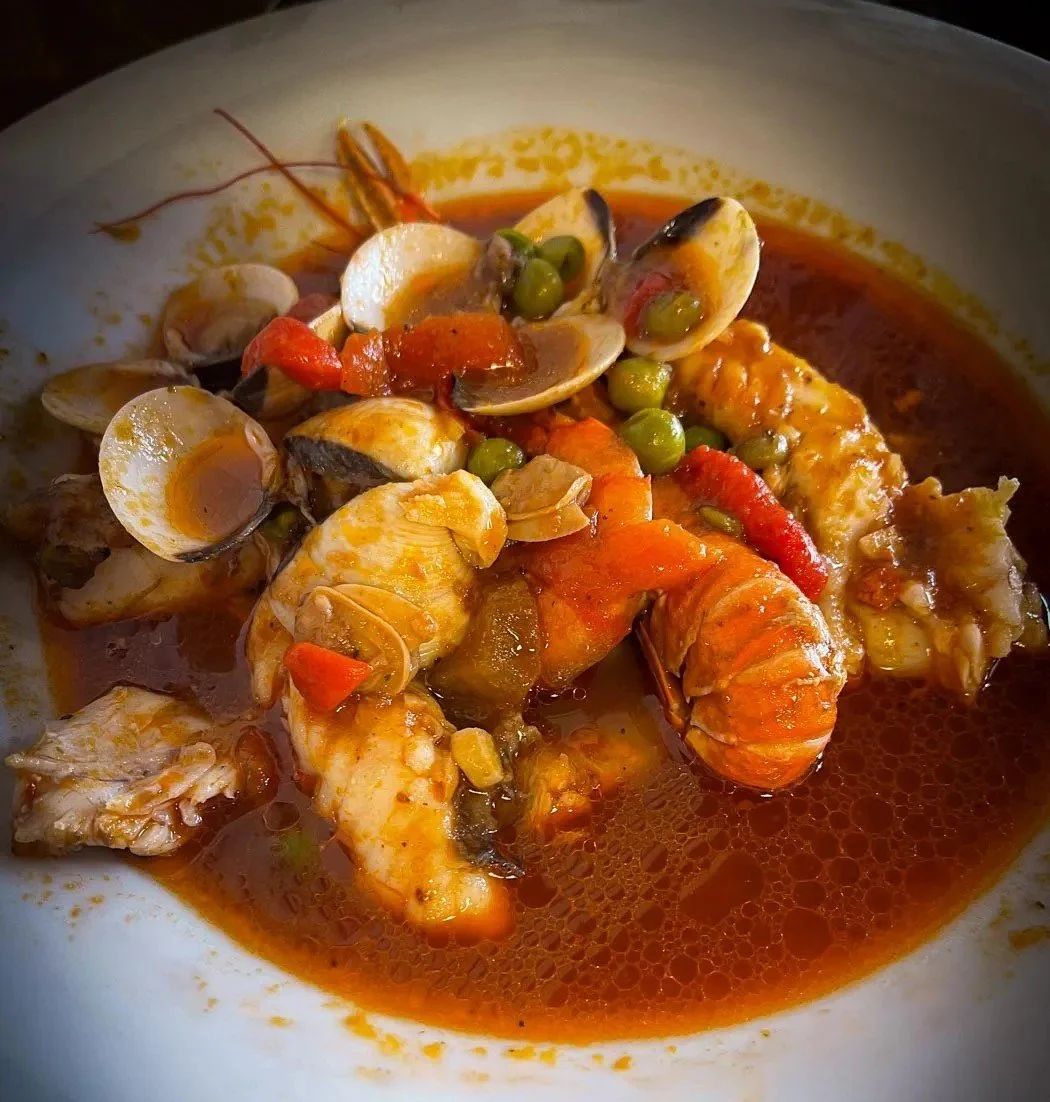
On the Costa Brava, Truman Capote found solitude, inspiration—and a seafood dish that tasted of the Mediterranean itself.
On the sunlit curve of Spain’s Costa Brava, the fishing town of Palamós moves at the unhurried rhythm of the sea—nets drying in the harbor, market stalls heavy with the morning’s catch, and the Mediterranean light falling softly across whitewashed walls.
It was here, in the spring of 1960, that Truman Capote arrived seeking something New York could no longer offer—quiet.
He came with twenty-five suitcases and more than four thousand pages of manuscript—fragments of the work that would become In Cold Blood.
With him were his partner of thirty-five years, Jack Dunphy, along with their cat and dog…
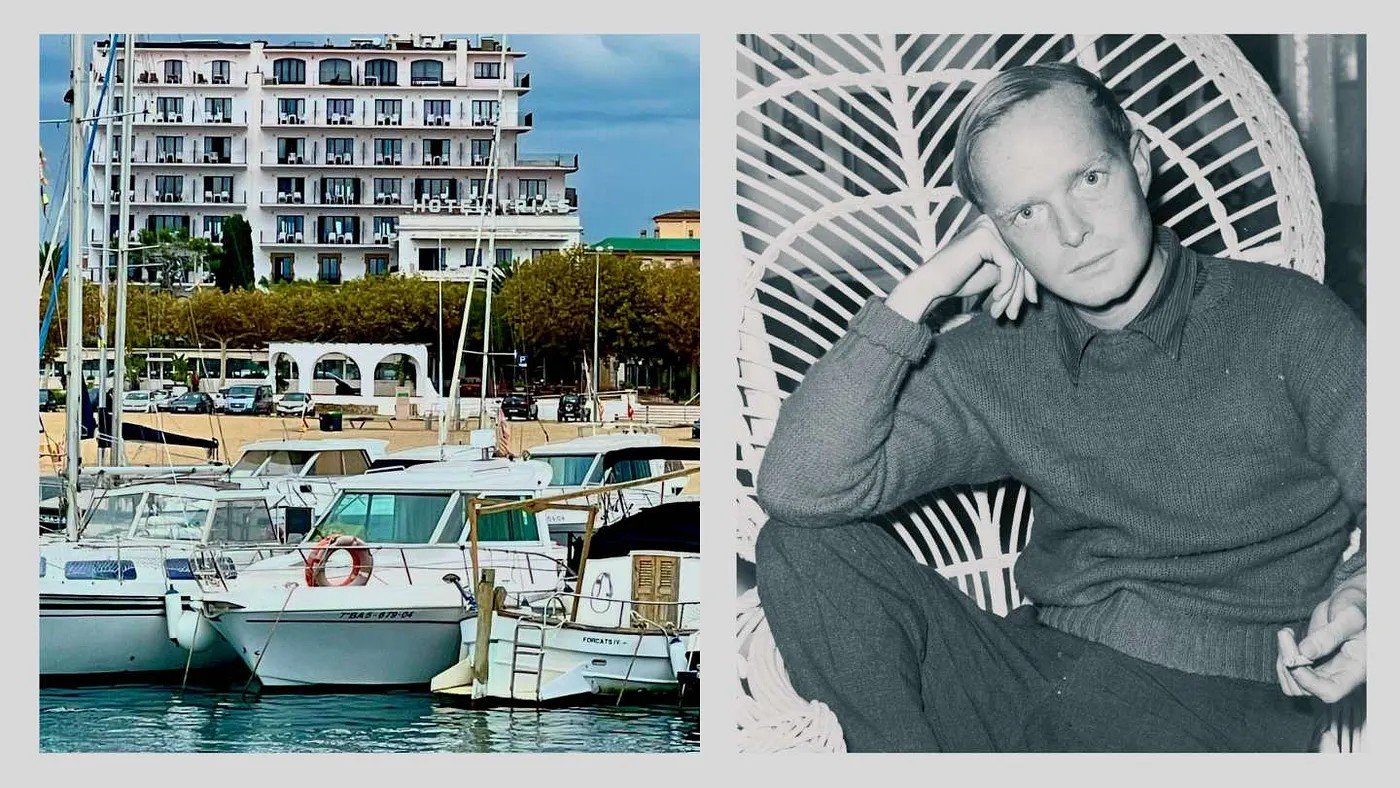
Hotel Trias, Palamós, Spain | Truman Capote 1959
They took rooms at the Hotel Trias, a gracious seaside hotel that still stands today.
Over the years I’ve dined there many times myself, often imagining what the town must have felt like during those curious months when a celebrated American author settled among fishermen and market stalls to write about murder.
Locals soon grew accustomed to seeing Capote wandering through the market, pausing to speak with farmers or standing quietly at the harbor watching the boats return with their catch. His days in Palamós were both productive and unsettled. It was here that he received the devastating news of Marilyn Monroe’s death—a loss that reportedly sent him into several days of solitude, sustained only by strong martinis and the company of his thoughts.
In those years, the Costa Brava had begun attracting artists, actors, and writers seeking a little Mediterranean freedom. The Hotel Trias became something of a meeting place for them. Ava Gardner passed through. David Niven stayed. Bullfighters and soldiers appeared at the bar alongside painters and novelists.
The hotel’s owner, Josep Colomer, often spoke with pride of those years when the terrace buzzed with unlikely combinations of guests and stories drifted across the tables with the evening breeze.
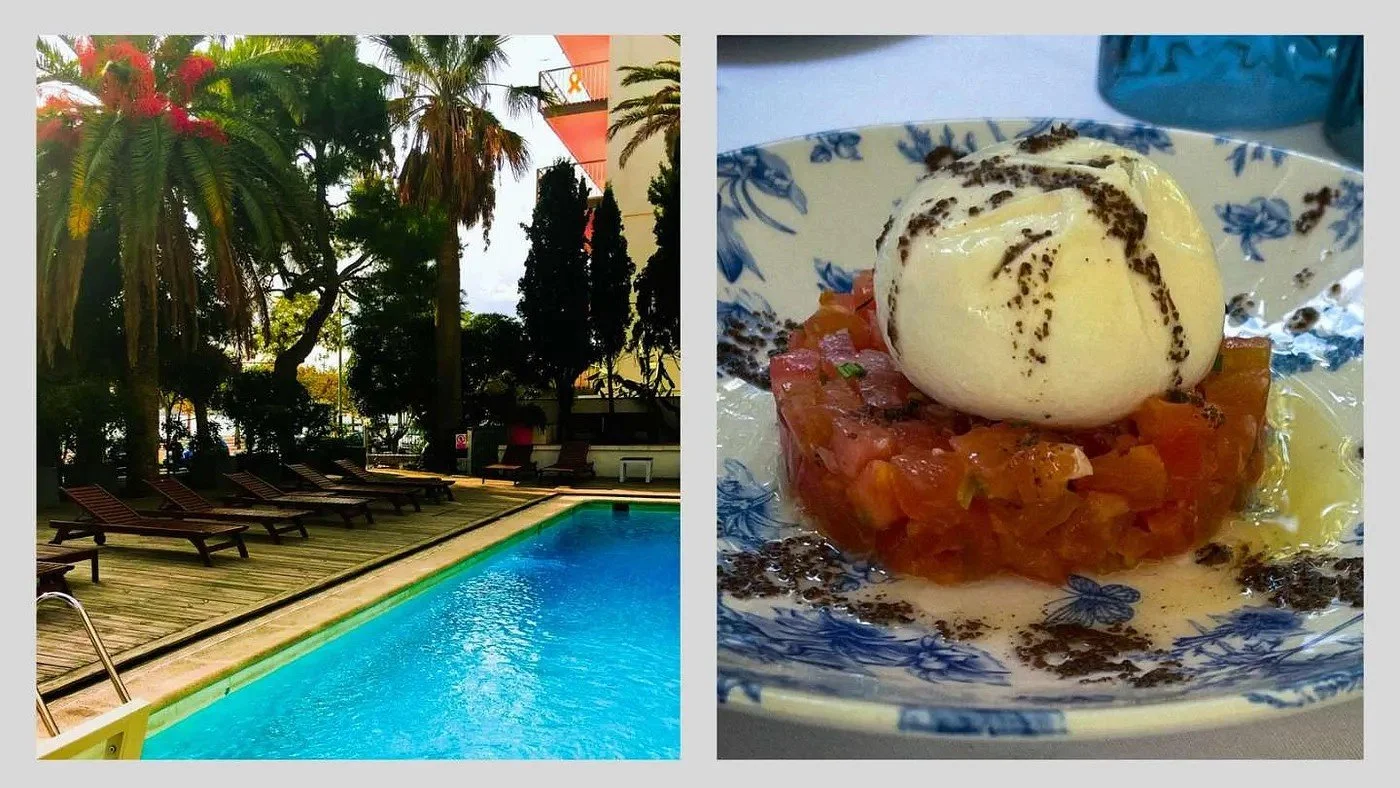
Lunch on the Terrace at Hotel Trias 2023 (Tien of Tomato with Burrata & Vinaigrette)
Although Capote left the Costa Brava temporarily, including journeys to London to visit psychiatrists for in-depth psychological analysis of murderers, his heart remained firmly anchored in Palamós. Eventually, he and Dunphy moved into a large villa, complete with a small retinue of staff, including a cook who would prepare the famous zarzuela, which became the writer’s favorite dish.
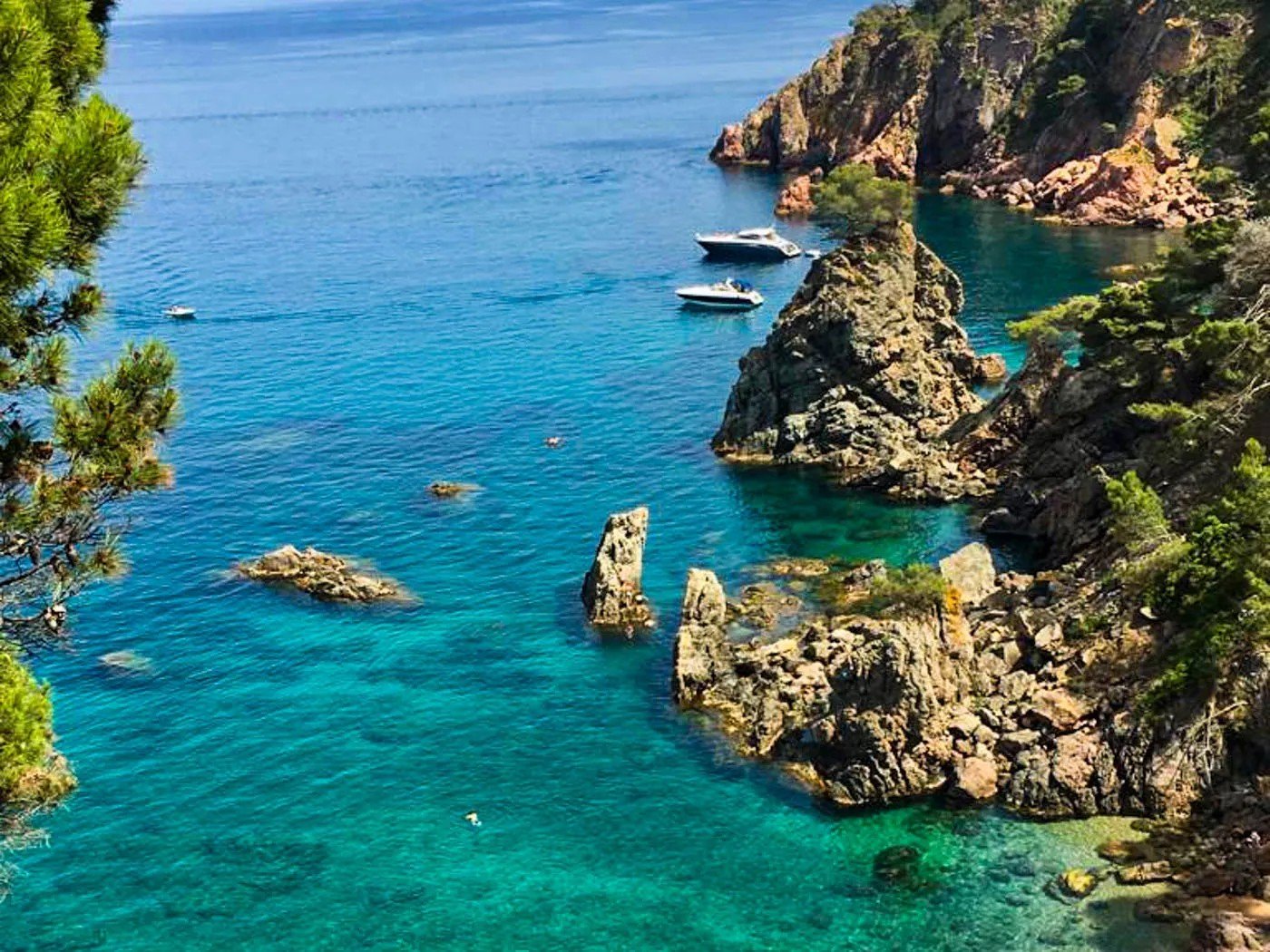
Cove beneath Capote’s former villa at Castell de Cap Roig, Spain
Capote’s Seafood ‘Operetta’
The name ‘zarzuela’ means ‘variety show’ in Spanish, which aptly describes this dish, as it features a diverse cast of seafood, each contributing its unique flavor and texture to the overall ensemble. It’s a gathering of the sea’s cast of characters: prawns, lobsters, clams, squid, and firm white fish brought together in a fragrant broth of garlic, tomatoes, olive oil, and wine.
Prepared well, the dish captures something essential about the Catalan coast. The seafood is browned lightly in olive oil before being set aside while onions, tomatoes, and garlic are cooked down into a deep, savory base. Fish stock, sherry, and spices follow, and the seafood returns to the pan for a brief simmer, just long enough for the flavors to gather and settle together.
Many Catalan chefs treat zarzuela with a certain suspicion, arguing that in careless kitchens it can become merely a convenient way to disguise aging fish. But when the ingredients are fresh—when the prawns are sweet and the broth carries the clean scent of the sea—the dish becomes something altogether different: rich, rustic, and deeply satisfying.
The sauce, often left slightly loose and glossy with olive oil, invites the only proper accompaniment: thick slices of bread to soak up the broth.
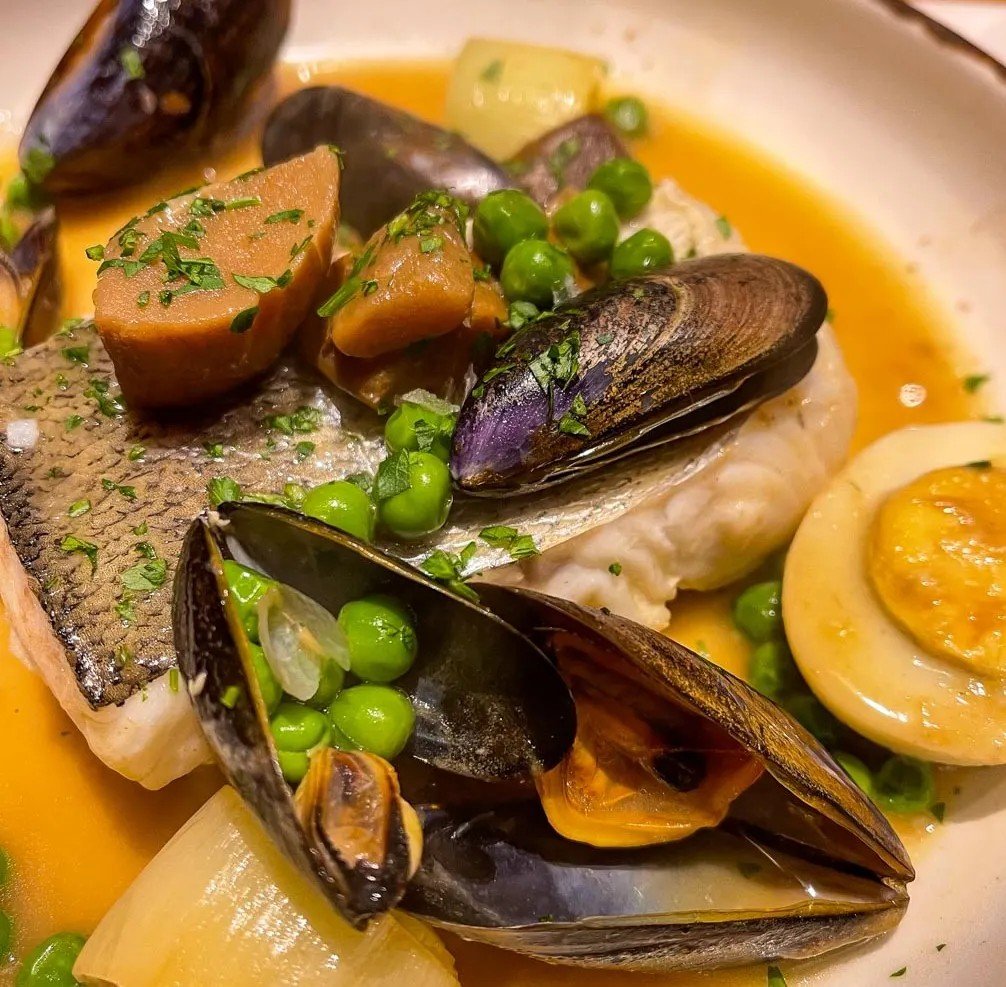
A variation on Zarzuela using Fresh Hake & mussels
Dining at the Hotel Trias myself many years later, enjoying a simple fish suquet on the terrace, I found it easy to imagine Capote seated there on a bright morning—newspaper open beside a glass of gin and vermouth—observing the same harbor light and listening to the same quiet conversations drifting across the tables.
Living not far from Castell-Cap Roig, I have swum in the coves below the villa where he once worked, the water still crystal clear enough to reveal the rocks beneath it. It is a curious feeling, sharing the rhythms of a place with someone whose words have traveled so much further.
Perhaps that is part of the quiet charm of places like Palamós—a dish, a harbor, a table in the sun. Small things, perhaps, yet they carry the memory of those who passed through before us.
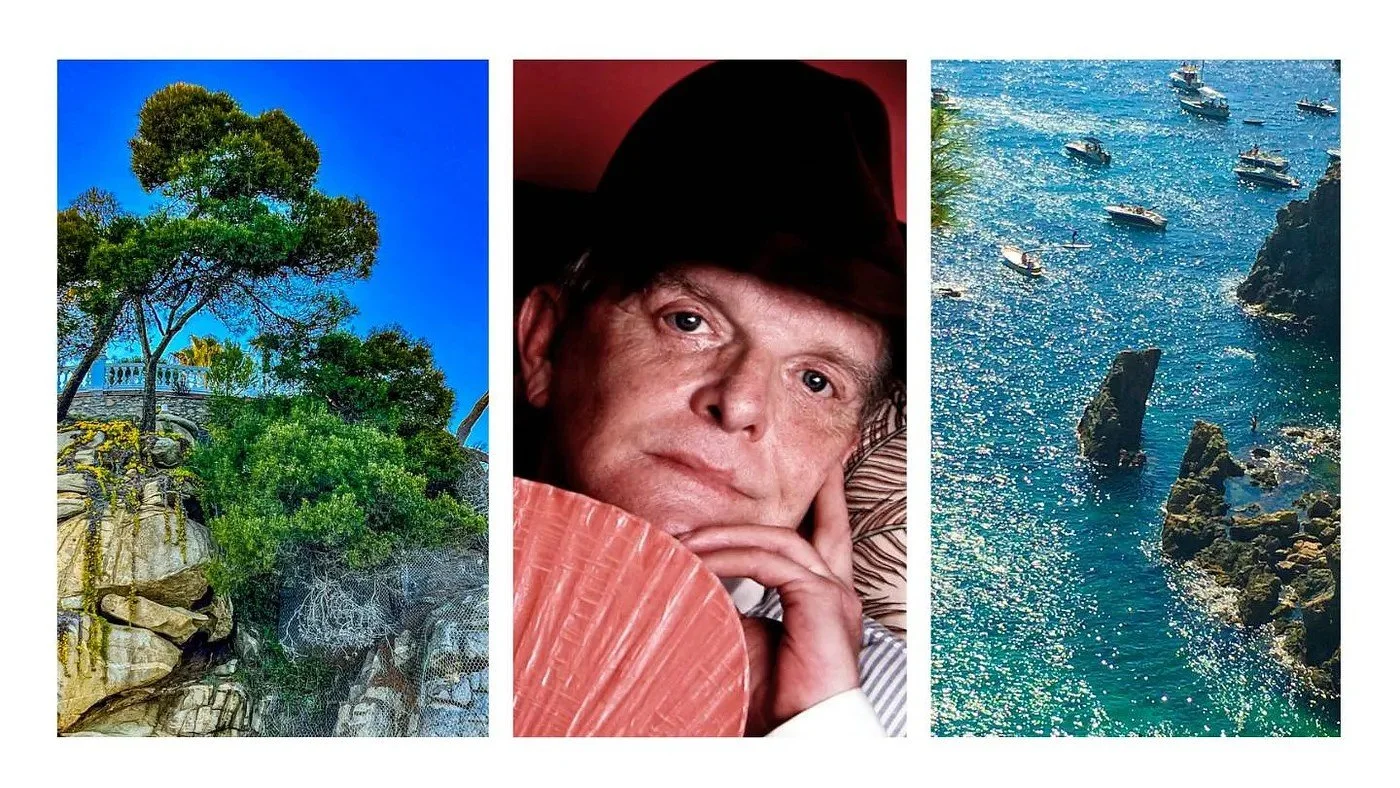

Photos by Author of Castell-Cap Roig | Middle: Truman Capote 1980
