
Dining with Dalí
On appetite, imagination, and a cookbook that refuses to behave
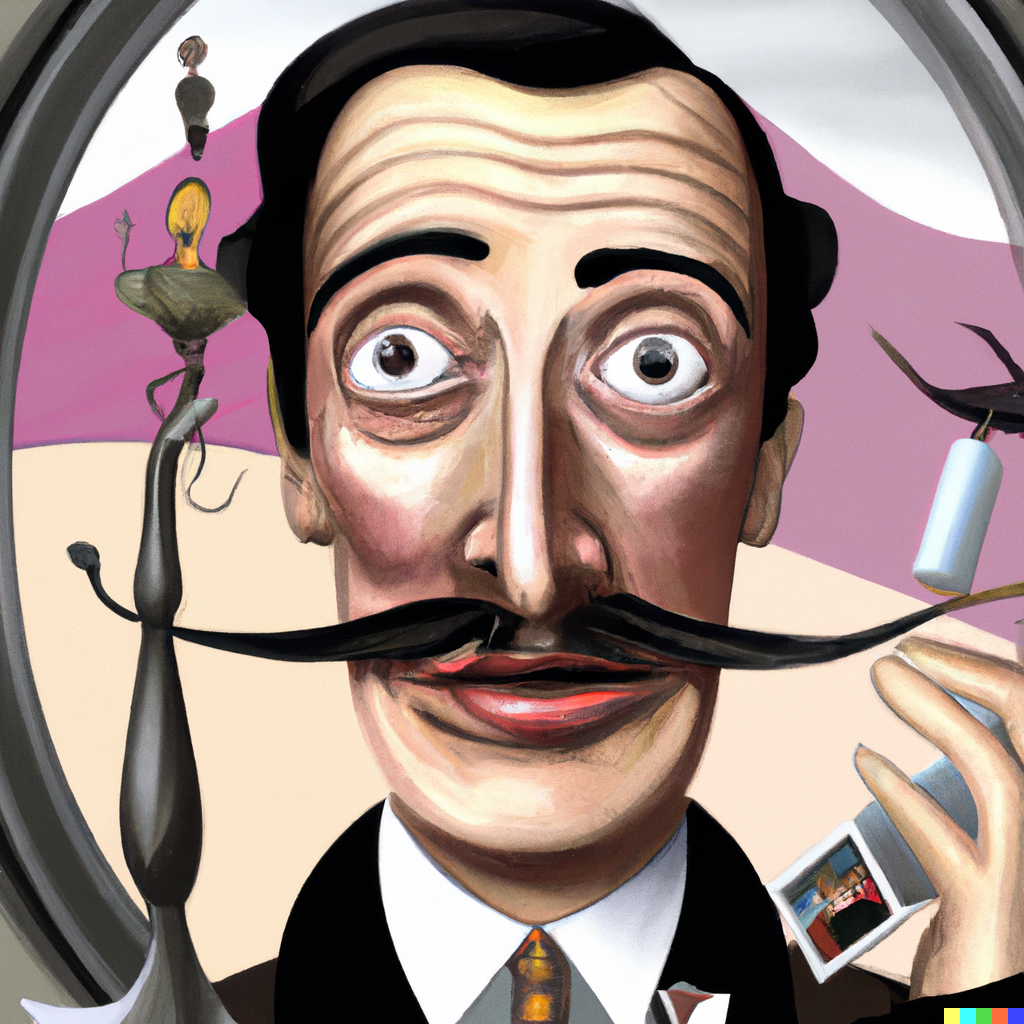
A table is prepared with care—linen smoothed, silver aligned, each detail in its place. And yet, something lingers just beneath the arrangement.
This is not a table set for hunger. It is set for something far less predictable.
There is silver, certainly. Linen. A suggestion of order. And yet, something less easily named: a lingering sense that the meal, once begun, may not proceed as expected.
This is not a dinner. It is an idea.
And at its center sits Salvador Dalí—host, provocateur, and architect of the improbable.
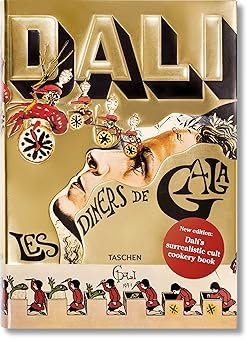
There are cookbooks that instruct. There are cookbooks that inspire.
And then there is Les Dîners de Gala.
Published in 1973 and created alongside his wife and muse Gala Dalí, it does not so much guide the reader as invite them into a world where appetite is unbound from reason.
The pages are filled with recipes, yes—but also with illustrations, collages, and reflections that wander far beyond the practicalities of the kitchen.
This is not food as sustenance. It is food as imagination.
Dalí offers a warning at the outset:
“If you are a disciple of one of those calorie-counters who turn the joys of eating into a form of punishment, close this book at once.”
It is not advice. It is a threshold.
Inside, the structure itself begins to dissolve.
Chapters do not proceed with tidy logic, but with dreamlike suggestion—courses arranged not by necessity, but by mood, by indulgence, by whim.
There are dishes that can be prepared, certainly. Others seem to exist more fully as ideas than instructions.
A meal may begin with something recognizable and end somewhere altogether stranger.
A Brief Glimpse at the Table
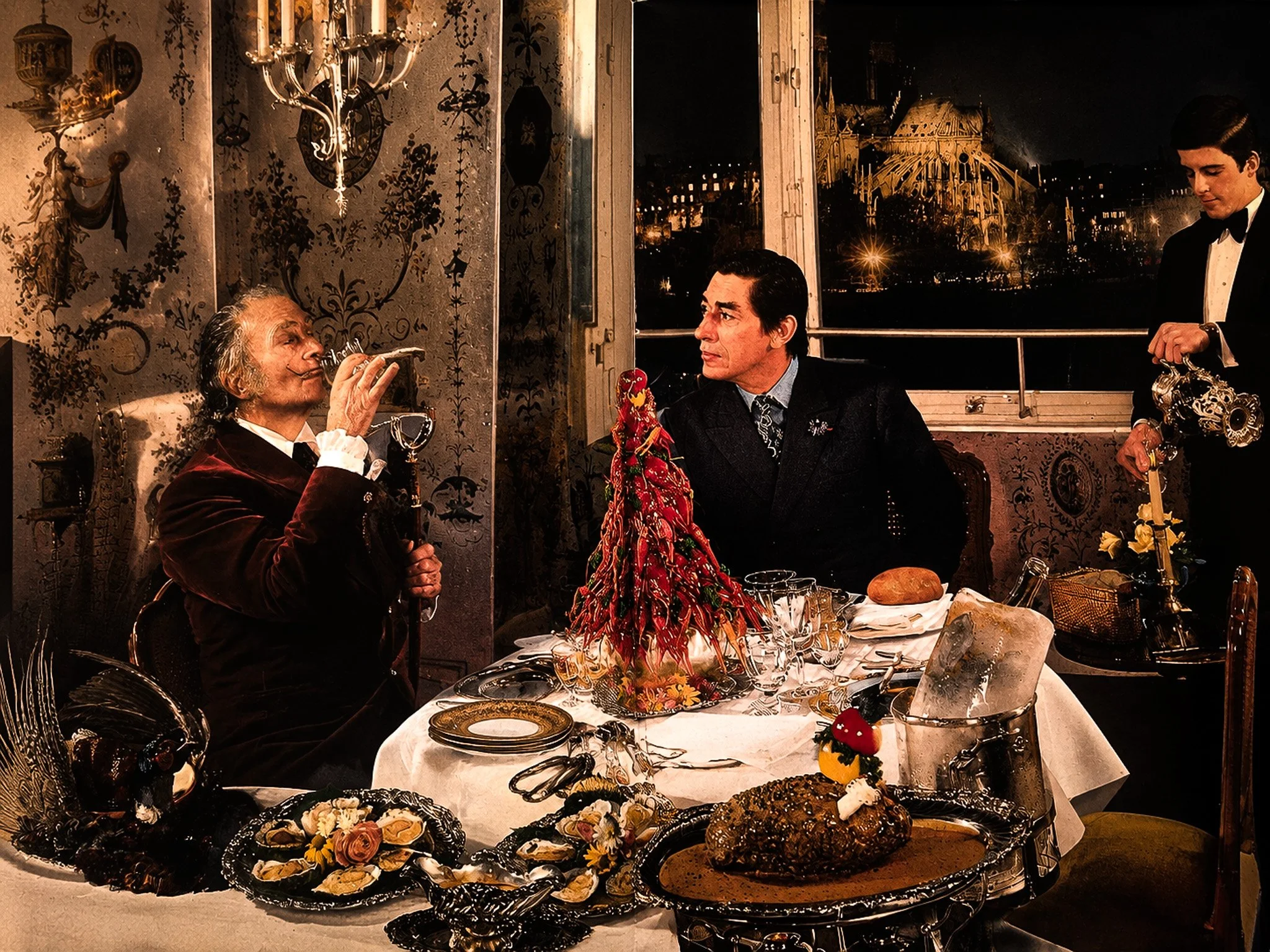
Within its pages, one encounters dishes that read as much like provocation as recipe:
Frog Pasties, Snails à la Bourguignonne, Veal Cutlets stuffed with Oysters, and elaborate constructions rich with game, cream, and liqueur.
Ingredients are generous. Techniques unapologetically classical.
And yet, there is always the sense that something else is being assembled alongside the dish—a mood, a gesture, a gentle defiance of restraint.
And always, there is excess.
Not careless excess—but deliberate, almost ceremonial abundance. Lobsters and sauces. Sweetness and flesh. Textures layered not just to satisfy, but to overwhelm, to intrigue, to linger. Food, here, is not restrained.
It is allowed to become.
At the table of Dalí and Gala, dinner was never a quiet affair.
Guests arrived to eat and became, almost at once, part of the occasion.
Conversation stretched, wandered, dissolved. Courses appeared as though conjured. The expected order of things—of taste, of sequence, of behavior—was gently, persistently undone.
The meal became performance. And the diner, willingly or not, became part of it.
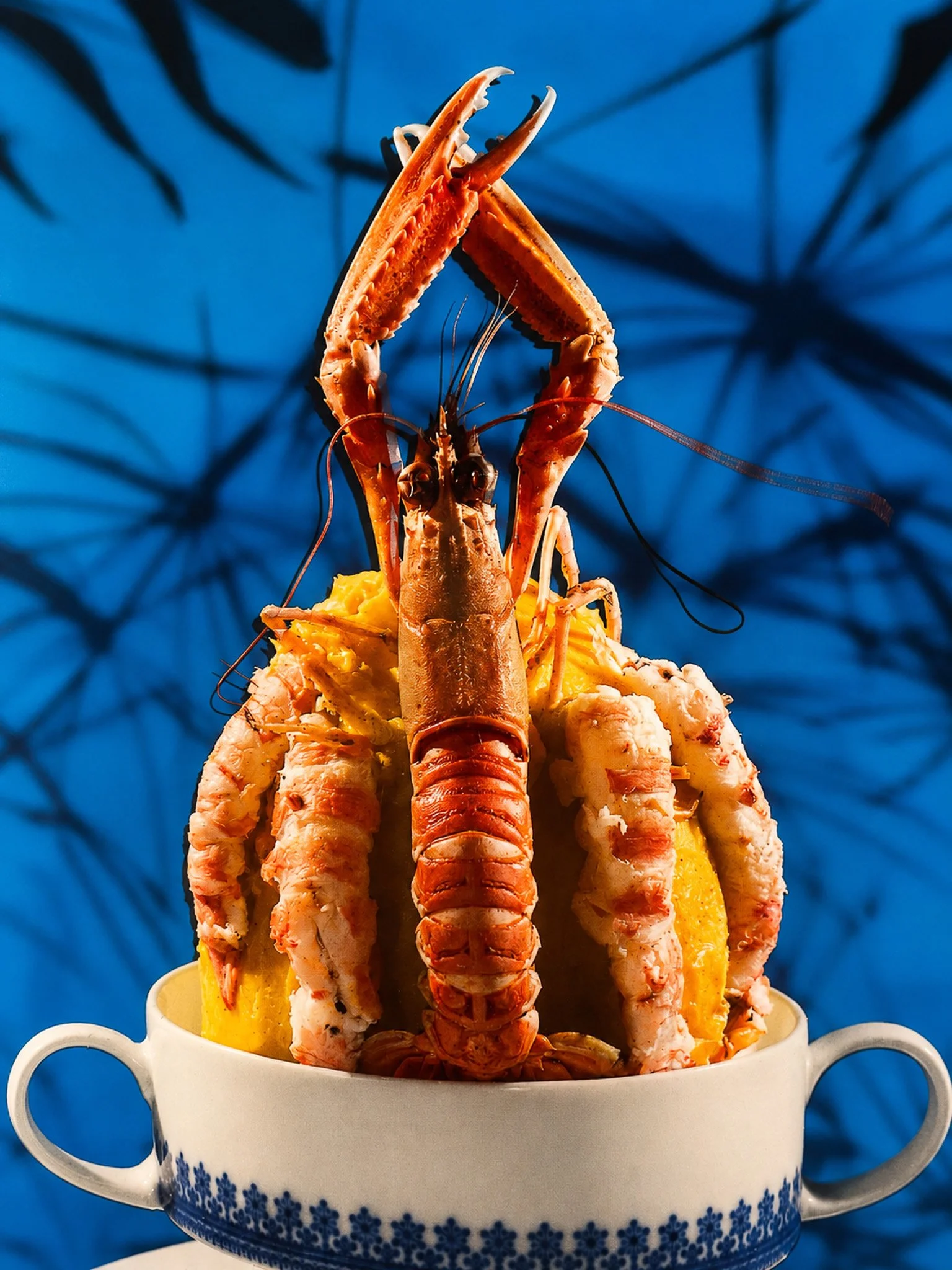
Prawns Parfait
Les Dîners de Gala · p. 57
There is something curiously liberating in this. To eat without counting. To taste without justification. To allow pleasure its full, unedited expression. And yet, beneath the extravagance, there is also a question.
What is food when it is no longer bound by purpose? What remains when nourishment is set aside and only sensation endures? In Dalí’s world, the answer is not given directly. It is suggested—in textures, in images, in the peculiar logic of the surreal.
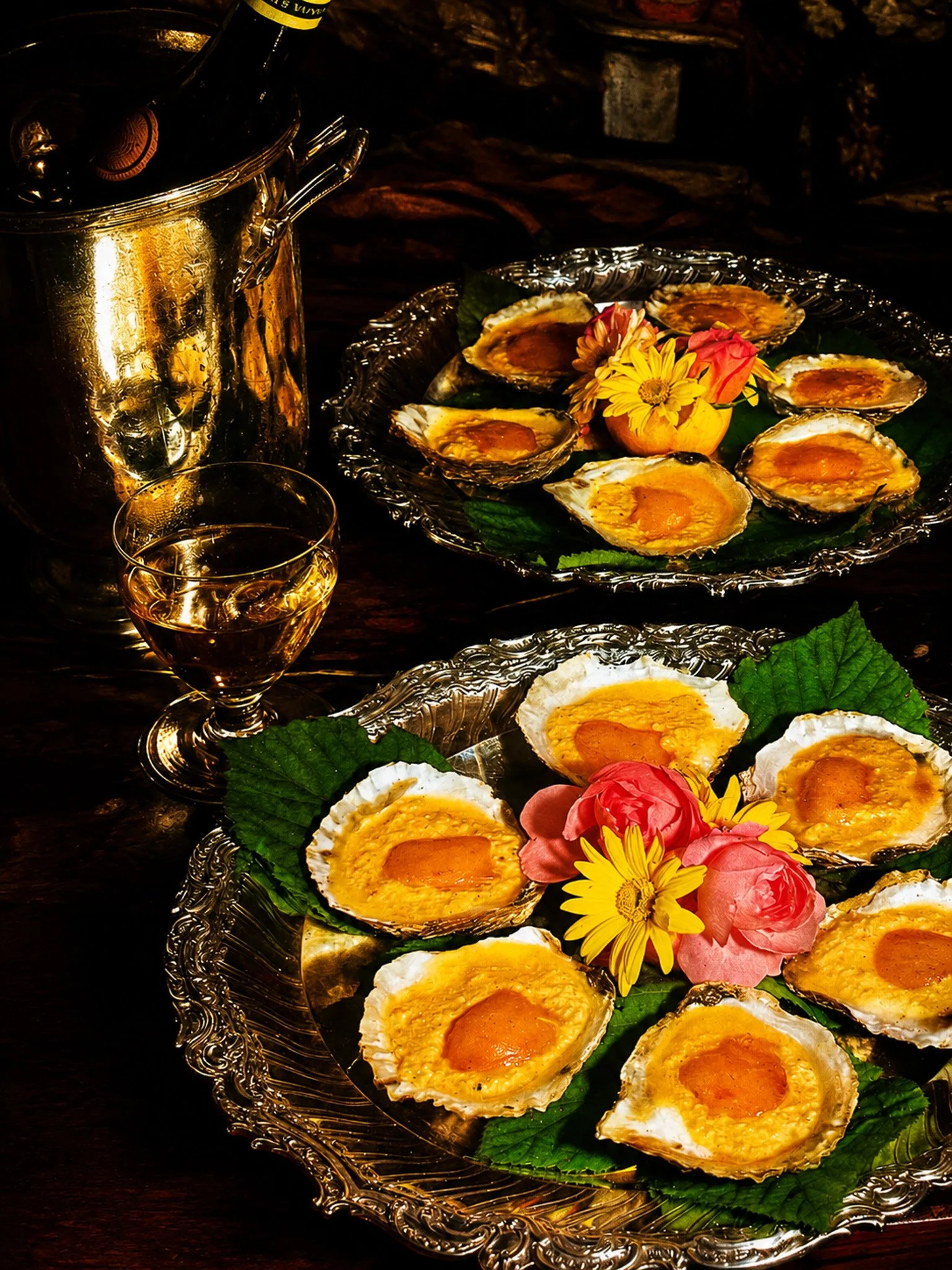
Oysters à la Brolatti
Les Dîners de Gala · p. 68
A dish is not only a dish. It is a gesture. A provocation. A playful defiance of the ordinary.
And perhaps this is the understated brilliance of Les Dîners de Gala.
Not that it teaches us how to cook—though it may.
But that it asks us to reconsider what it means to eat at all.
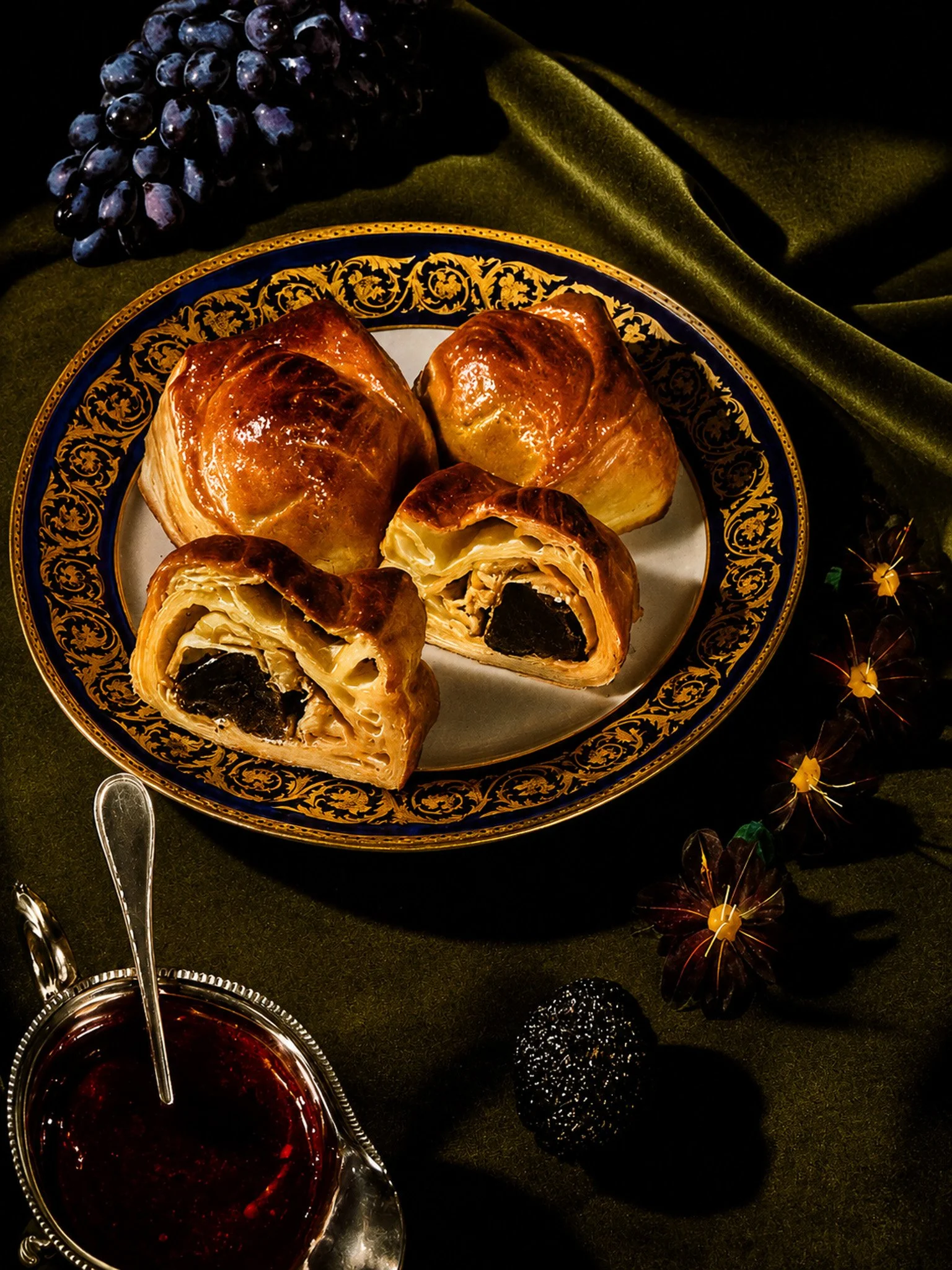
Truffles ‘Cinderella’ in Flaky Pastry
Les Dîners de Gala · p. 131
There are meals that sustain. There are meals that impress.
And then, occasionally, there are meals that unsettle the boundary between the real and the imagined.
Dalí understood this. That appetite is not merely physical. That taste is not only of the tongue.
That a table, properly arranged, can become something else entirely—
a stage,
a dream,
a beginning.
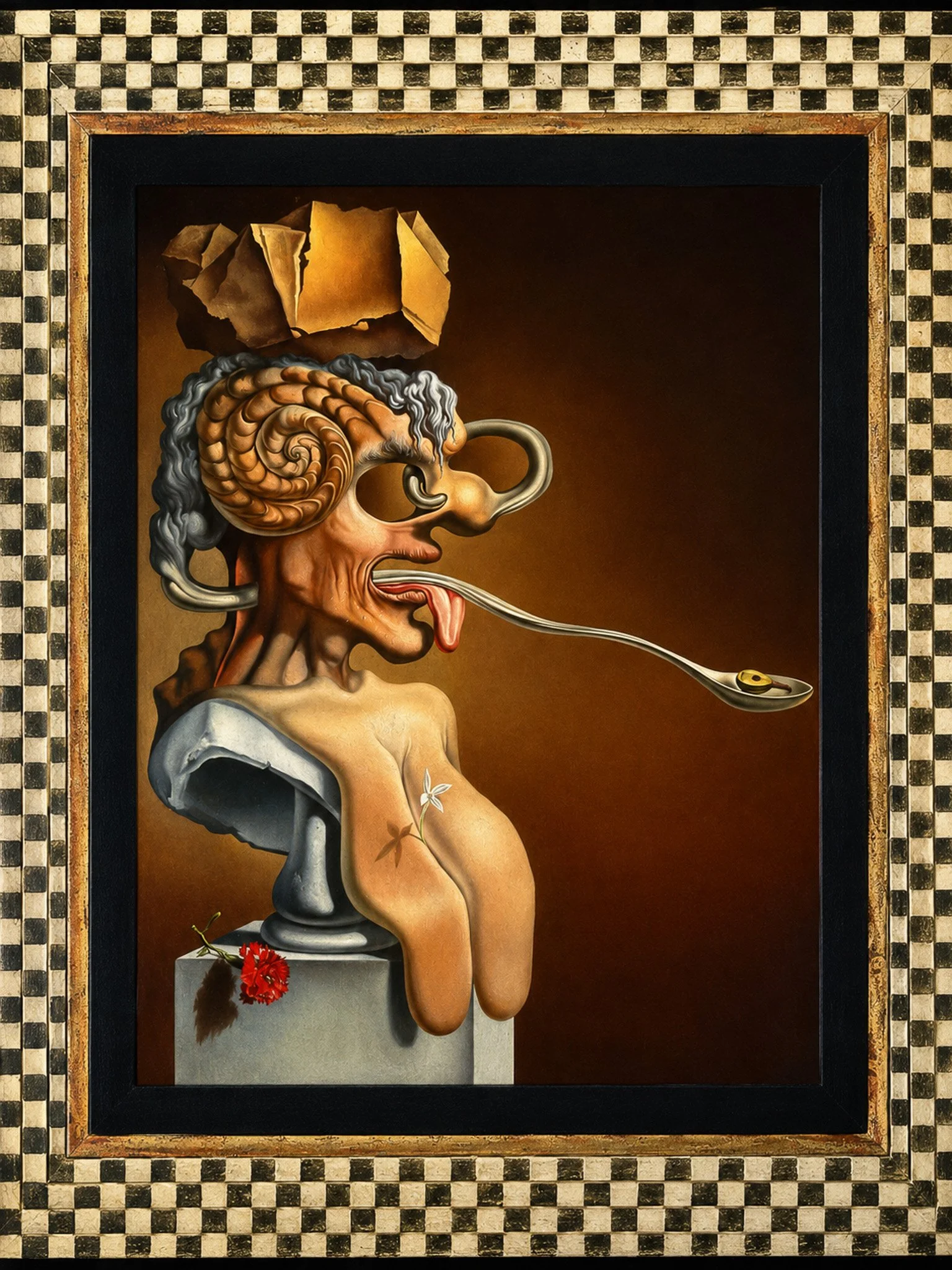
Acknowledgement
The illustrations accompanying this article were photographed from my own copy of Les Dîners de Gala.