
Faoiseamh
A silver candelabra. One hidden match. Fifty years of waiting. Some flames illuminate more than a room.
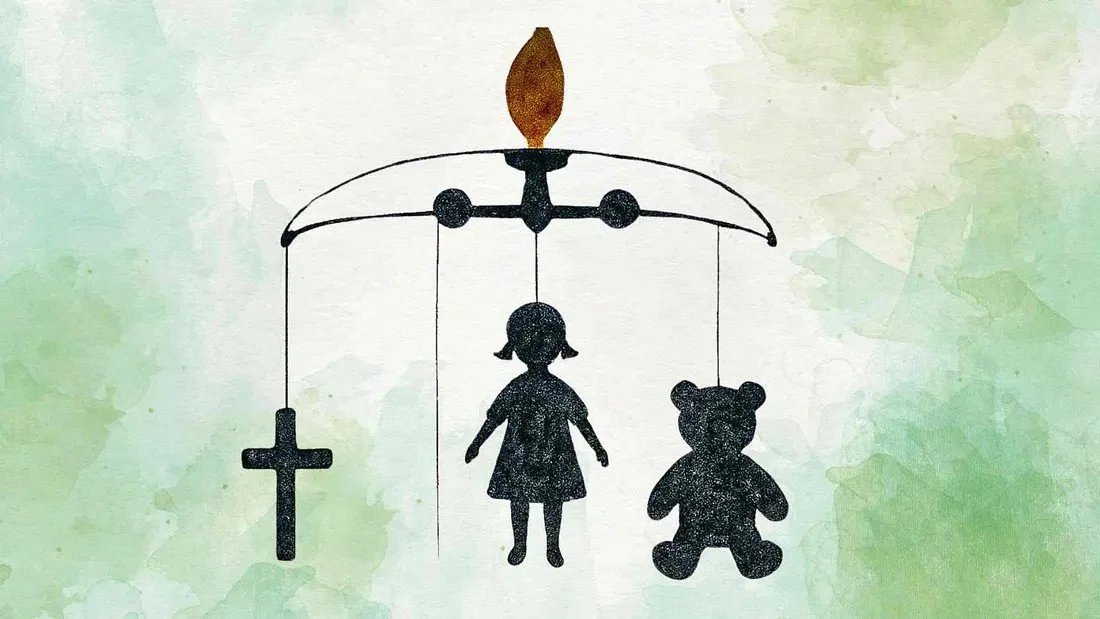
No one ever lit it. Not in all the years Siobhán wiped around it with vinegar rags and bruised knuckles. The silver candelabra stood on the parlour mantel, still as confession, untouched as grace. Waxless. Wordless. Watching.
She’d come to Saint Brigid’s at sixteen, belly out and eyes down. Her son arrived with the frost, small and fierce and briefly hers. They let her hold him once. Said nothing. Then he was gone.
She signed her name in a language that wasn’t her own, and it might as well have been ashes.
Now, fifty years later, she stood in the same room. A guest this time. Renovated. Carpeted. Brisk women in lanyards handed her tea in cardboard cups.
But the candelabra remained.
She stepped forward and laid a finger on its stem. Her reflection quivered there — a face folded with years but still holding.
“They said I sinned,” she murmured, “but I never was the one who lied.”
She struck the match she’d carried, pocket to pocket, all this time. The flame flared, shy at first, then sure.
And for the length of a single, steady burn, she saw the room as it might have been — with nothing hidden.
Faoiseamh.
Faoiseamh (fwee-shuv) — The Irish word for: relief, release, a letting go.
This story is dedicated to the women of Ireland’s Mother and Baby Homes (1920's–1990's) — those who were silenced, shamed and separated, yet carried their love quietly through the years. May their truth continue to find the light.
Before you go…
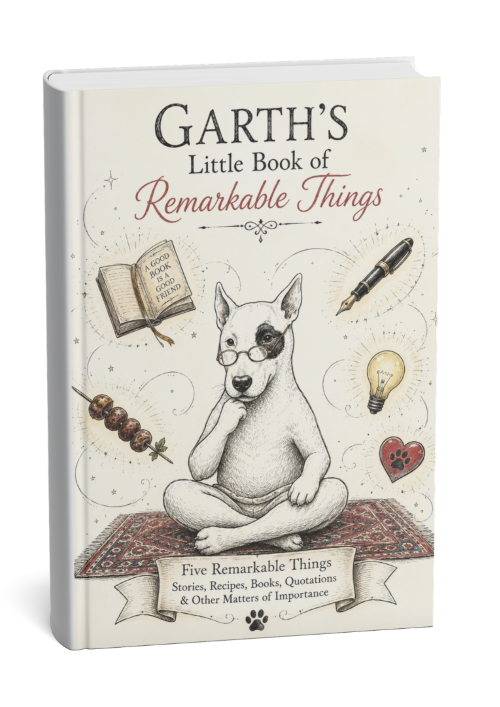
Join the Inkwave Club for occasional stories, writing tips, and a complimentary copy of Garth's Little Book of Remarkable Things.
The door is always open.